Do good or bad photos impact AEO and GEO?
Good photography can support AEO and GEO readiness by adding useful context, demonstrating real-world expertise, and improving the page experience. But attractive images alone do not make a page easier to cite or more likely to appear in AI-generated answers.

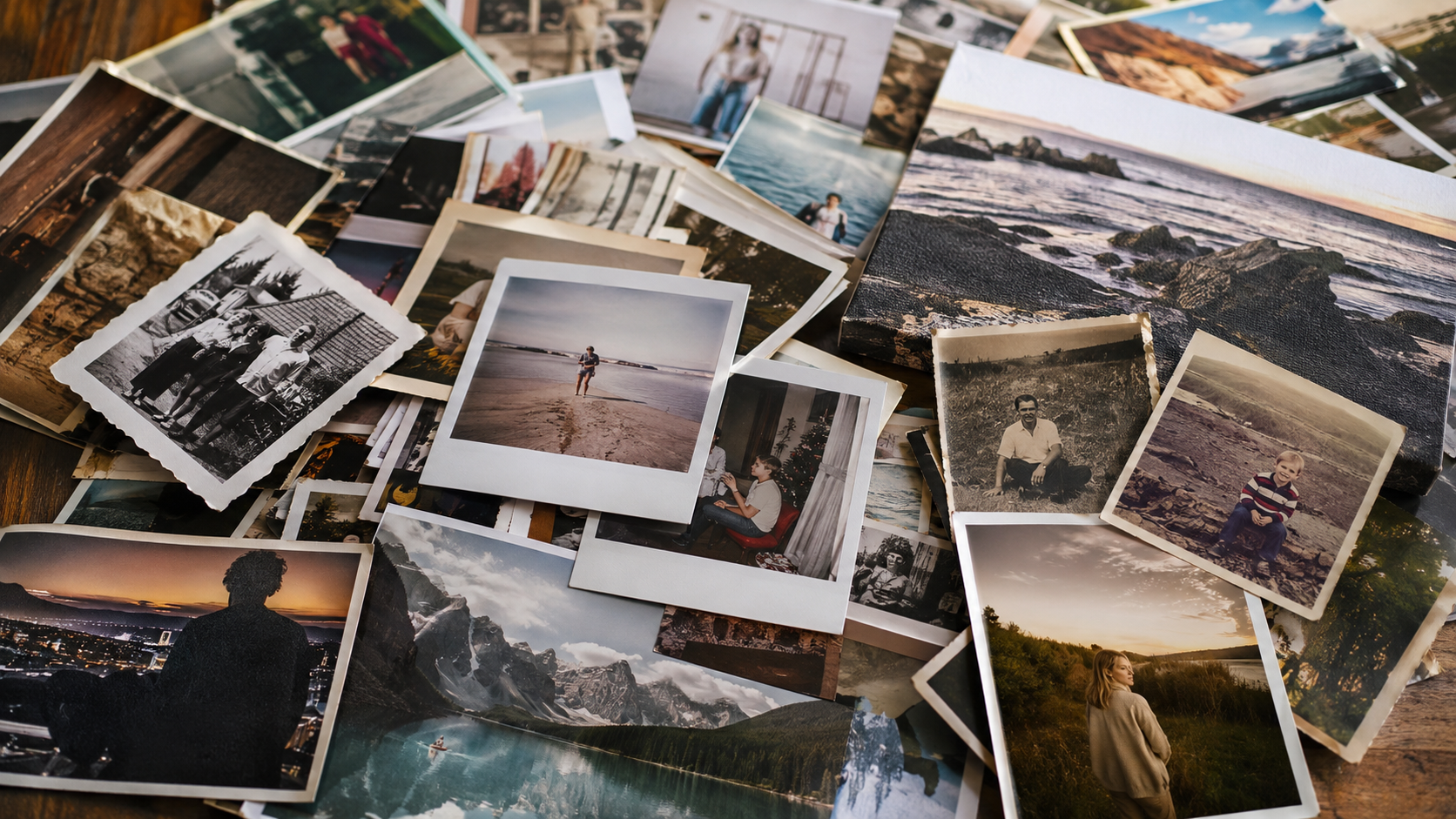
Key takeaways
- Good photos can support AEO and GEO readiness, but they do not guarantee AI citations, mentions, or rankings.
- Original visual evidence is most useful when it helps visitors verify a product, place, person, process, or claim.
- Keep important answers and details in accessible HTML text, not only in images or infographics.
- Alt text and captions should accurately communicate an image's purpose and context, not repeat keywords.
- Prioritize answer quality, structure, accessibility, and technical foundations before treating photography as an optimization tactic.
Good photos can help AEO and GEO, but mostly indirectly. They can improve trust, clarify what a business, product, person, or process actually is, and give readers useful evidence that the page is grounded in the real world. They do not, by themselves, make a page citation-ready or guarantee that an answer engine will mention it.
For AEO, the highest-value work remains clear answers, strong page structure, accessible content, accurate entities, and trustworthy claims. Photography becomes valuable when it supports those fundamentals rather than decorating around their absence. For GEO, meaningful visuals may also help a page communicate in increasingly multimodal environments, but the evidence is not strong enough to treat polished imagery as an AI visibility tactic on its own.
The short answer: good photos help when they add information
A good website photo is more than a nice background image. It can show a location, a product detail, a professional at work, a step in a process, or evidence behind a claim. That additional context can help people assess credibility and can give machines better signals when the image is properly described and placed near relevant text.
A stock photo of two people pointing at a laptop usually adds very little. A labeled photo showing the exact equipment used in a repair, the storefront customers should look for, or the finished result of a service can add real meaning.
Think of photography as supporting evidence in a well-organized case. It can make the case more believable and easier to understand. It cannot replace the case itself.
What photos can contribute to AEO readiness
AEO is about making a webpage understandable, useful, accessible, and ready to be evaluated as a potential source for an answer. Images can reinforce several of those inputs.
Photos can make claims more credible to readers
First-party photography can demonstrate that a company, location, product, event, or team exists as described. This matters most on pages where trust affects a reader's decision:
- Service pages that show the actual work or facility
- Product pages with clear views of the product in use
- Location pages that help customers identify a business
- Expert content with original diagrams, process photos, or examples
- Case studies that document work while protecting confidential information
This is a human trust benefit first. A page that is accurate, transparent, and genuinely useful is in a stronger position than one that makes unsupported claims surrounded by generic imagery.
Photos can provide entity context
An image placed beside descriptive copy can reinforce relationships among entities. For example, a photo of a named professional working in a named clinic, accompanied by a specific caption, makes the relationship clearer to a visitor.
The surrounding text is critical. A machine should not need to infer the entire meaning of an image from pixels alone. Put the name of the person, product, place, or process in nearby copy where it naturally belongs.
Photos can support accessibility and page comprehension
Meaningful images need useful alternative text. Alt text is primarily an accessibility requirement, not a secret AEO lever. Its purpose is to convey the image's relevant function or information to people using screen readers or when the image cannot load.
That is still valuable for readiness: accessible pages tend to express meaning more explicitly. A helpful alt attribute also makes the page's information less dependent on a visual-only experience.
For example:
<img src="technician-inspecting-heat-pump.jpg"
     alt="Technician inspecting a residential heat pump outdoor unit">
This is better than `alt="image"`, but it should not become a keyword container:
<img src="heat-pump.jpg"
     alt="best heat pump repair service heat pump repair near me HVAC repair">
The second example is neither useful to a visitor nor a credible way to explain the image.
What photos do not do
It is easy to overstate the role of imagery because visual quality is visible, while content structure is less glamorous. A beautiful photo shoot will not solve these more fundamental problems:
- The page never answers the question in its heading or opening copy.
- Important information exists only inside an image.
- The business, author, product, or service is ambiguously named.
- Claims have no supporting explanation, sourcing, or context.
- The page is difficult to crawl, render, or navigate.
- Image files are large enough to create a poor page experience.
Photography also does not prove that an AI system interpreted the image correctly, used it in retrieval, or selected the page for a citation. Different answer engines have different systems, and their selection behavior is not fully observable. Treat any claim that “AI rewards photos” with appropriate skepticism.
The distinction between readiness and external outcomes matters here. A page can be better prepared because its content is clearer, more accessible, and more credible. That does not predict a particular citation, mention, or traffic result. Read more about [AEO readiness versus visibility](/aeo-vs-visibility.cfm) before turning external monitoring into a verdict on a single page change.
Where GEO may make photography more relevant
GEO describes improving how content can be discovered, understood, and represented in generative answer experiences. Because many digital experiences are becoming more multimodal, original visual material may become more useful over time.
That does not mean every page needs a custom photo shoot. It means organizations should avoid treating visuals as an afterthought when images carry substantive information.
A recipe site, travel operator, retailer, healthcare provider, contractor, university, or event business may have especially strong reasons to invest in accurate visuals. In those contexts, photographs can answer practical questions that copy alone struggles to answer: What does this item look like? What is the setting? What happens during the service? Is this a real location? What is included?
For a B2B software page, a clear annotated screenshot or original workflow diagram may be more valuable than lifestyle photography. Match the visual format to the user's decision, not to a generic brand guideline.
A practical checklist for images that support readiness
Prioritize images with informational value. Then make that value available to both people and systems.
1. Use original images where they substantiate the page
Original photography is especially useful when it documents your people, work, products, premises, or process. Do not add photos merely to fill white space. Ask: *What does this visual help the visitor understand or verify?*
2. Keep the critical answer in HTML text
Never put essential instructions, pricing details, specifications, eligibility requirements, or the answer to a common question only inside an image. Include the information as accessible page text.
This is particularly important for infographics. An infographic can be a helpful summary, but its facts and conclusions should also appear in the surrounding article.
3. Write concise, accurate alt text for meaningful images
Describe the information the image contributes in its specific context. Decorative images can use an empty alt attribute (`alt=""`) so assistive technology does not announce irrelevant clutter.
Avoid repeating the entire caption, filename, or nearby heading when it adds no new value.
4. Use captions when they add context
Captions are visible text, so they are often useful for naming people, locations, dates, products, or the significance of an image. A caption should explain why the reader should care, not simply narrate the obvious.
For example: “A technician measures airflow during a home energy audit” is more useful than “Technician at work.”
5. Optimize image delivery
Use appropriately sized files, modern formats where practical, responsive image markup, and explicit image dimensions to reduce avoidable layout shifts. A page that takes too long to load is not improved by a beautiful 8 MB hero image.
Web and content teams should coordinate here. Visual quality and performance are not opposing goals; they are production requirements to balance.
6. Add structured data only when it describes something real
`ImageObject` can be appropriate when an image is a distinct and meaningful part of the content and the metadata is accurate. It is not required for every decorative image, and it is not a substitute for accessible markup, descriptive copy, or a strong page.
Schema is a label, not a makeover. Use it to clarify real information already present on the page.
What to prioritize if resources are limited
If a team has a finite budget, spend it in this order:
- Fix unclear or incomplete page content. Answer the user's question directly and support the answer with useful detail.
- Make the page structurally and technically understandable. Use descriptive headings, semantic HTML, crawlable content, and clear internal links. Our semantic HTML guide for AEO covers this foundation.
- Add or improve visuals where they resolve a trust or comprehension gap. Prioritize high-value service, product, location, and conversion pages.
- Improve image accessibility and performance. Treat alt text, captions, dimensions, and compression as part of publishing quality control.
- Consider image-specific structured data only where it accurately fits.
For content teams, this usually means adding an image field to the content brief: what visual evidence is needed, what it should show, whether it needs a caption, and what accessible description it requires. See the resources for content teams for the broader readiness responsibilities behind that workflow.
Start with the pages where images can prove something
Good photography is worth pursuing when it helps a visitor understand, verify, or act on the information on a page. It strengthens AEO readiness as supporting evidence, accessibility, and entity context. It is not a shortcut around weak content, unclear claims, or technical problems.
Start with a small set of high-value pages. Identify where visual proof would reduce uncertainty, make sure the underlying answer is already present in text, then publish the image with accurate context and accessible markup. A free page grade can help establish which content, structural, technical, and trust issues deserve attention before you invest in surface-level polish.
Find the readiness issues that matter before polishing the page
Grade a priority page to identify content, structure, technical, entity, and trust inputs you can improve. Use the findings to decide whether imagery is the real gap or whether a more fundamental fix comes first.
Grade a page